
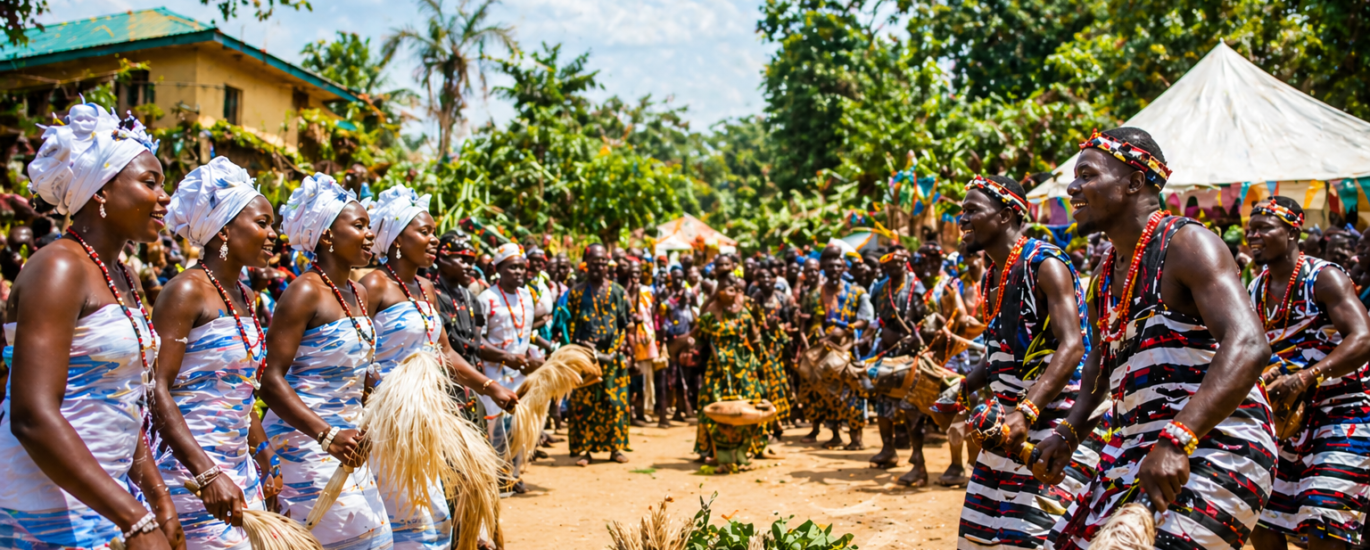
In a world that is constantly evolving, preserving our heritage and cultural Values remains one of the most powerful ways a community can maintain its identity. For the people of Dagbala in Akoko-Edo Local Government Area of Edo State, festivals and traditions are not just ceremonial events—they are the lifeblood of the community’s history, values, and unity.
Dagbala is richly blessed with cultural practices that have been handed down from generation to generation. These traditions reflect the beliefs, morals, and way of life of the people. Among the most notable are the Irehgedeh Festival and the OMEDO (Borolegbe) Festival, both of which play significant roles in preserving the heritage of the community.
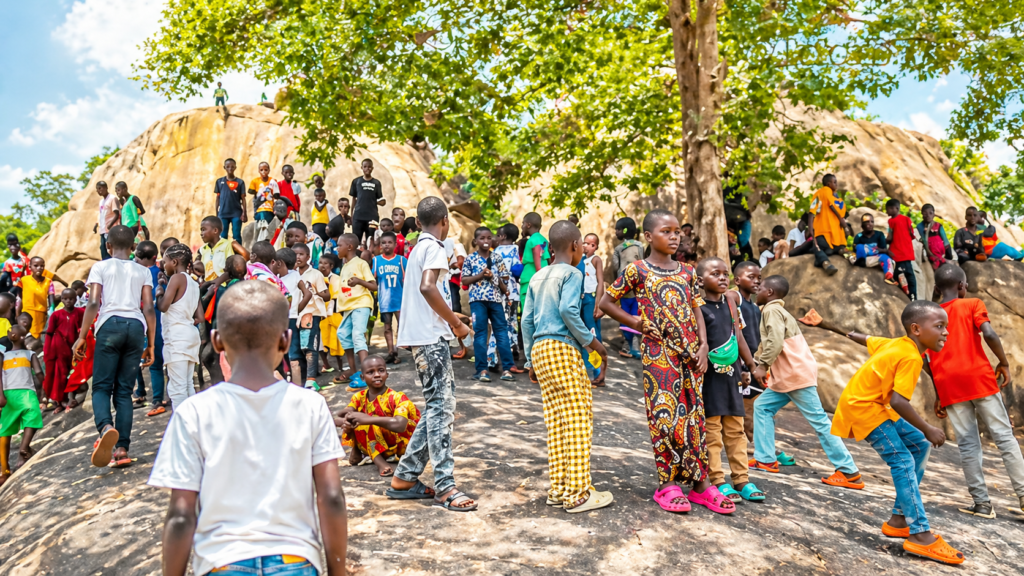
Festivals in Dagbala serve as living classrooms where culture is taught, experienced, and celebrated. Through traditional dances, songs, attire, and rituals, younger generations learn about their roots and the values that define their identity. These events provide a unique opportunity for elders to pass down knowledge, ensuring that customs are not lost over time.
Beyond education, festivals foster a strong sense of unity and belonging. During these celebrations, families reunite, indigenes return from distant places, and the entire community comes together in joy and harmony. This collective participation strengthens social bonds and reinforces the spirit of togetherness that Dagbala is known for.
Another important aspect of these cultural celebrations is their role in promoting respect and discipline. Many traditional practices emphasize moral values such as integrity, respect for elders, and communal responsibility. By participating in these festivals, individuals are reminded of the principles that guide the community’s way of life.
Festivals also contribute to the visibility and recognition of Dagbala beyond its borders. Visitors and cultural enthusiasts are often drawn to the uniqueness of these celebrations, creating opportunities for cultural exchange and even local economic growth. This not only showcases the richness of Dagbala’s heritage but also positions the community as a custodian of valuable traditions.
However, preserving culture requires conscious effort. As modernization continues to influence lifestyles, it becomes increasingly important for the community—especially the youth—to remain connected to their roots. Supporting and actively participating in festivals is one of the most effective ways to ensure that these traditions endure.
In conclusion, the festivals and traditions of Dagbala are more than celebrations—they are symbols of identity, unity, and continuity. By preserving them, the community safeguards its past while building a strong cultural foundation for the future. The responsibility lies with every indigene to keep these traditions alive, ensuring that the story of Dagbala continues to be told for generations to come.


